Introduction
A professionally coated garage floor can completely transform your space—making it cleaner, more durable, and visually appealing.
But here’s the reality: many garage floor coatings fail far sooner than expected. Peeling, bubbling, and cracking are more common than most homeowners realize.
The difference between a coating that lasts months vs. decades comes down to one thing:
👉 How it’s done.
In this guide, we’ll break down exactly why garage floor coatings fail—and how to make sure yours doesn’t.
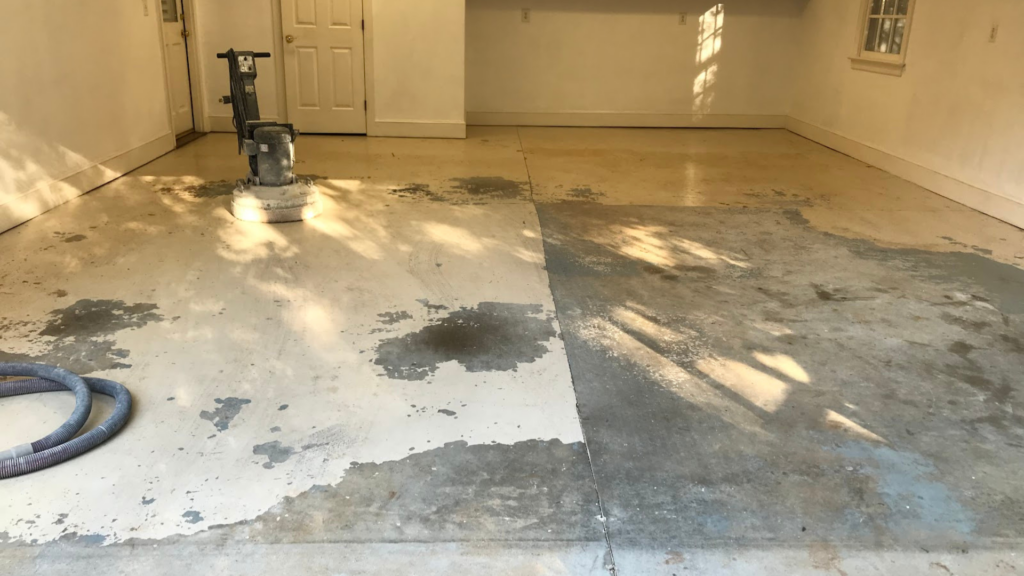
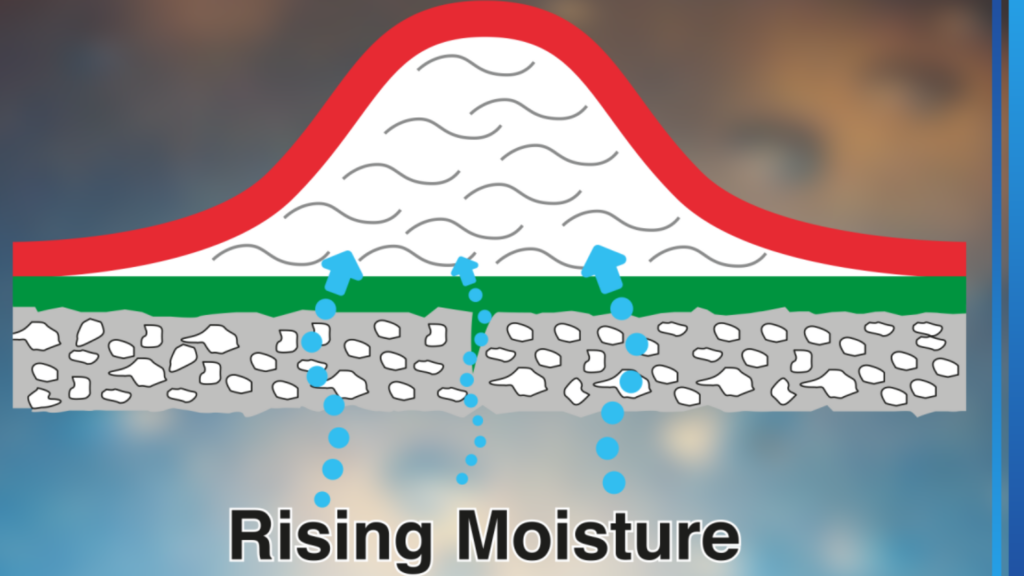
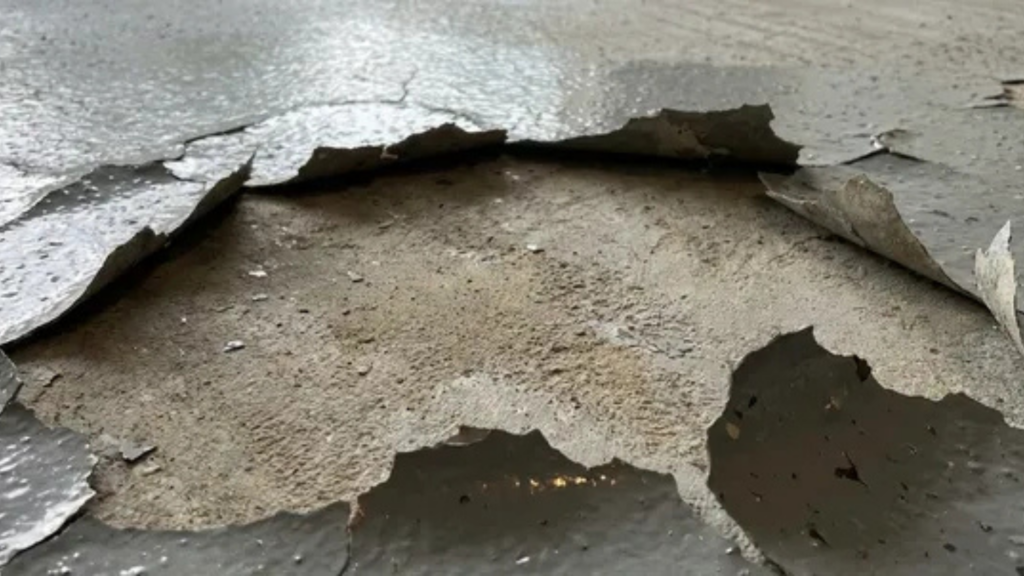
The Hidden Truth About Concrete
Before we talk about coatings, it’s important to understand the surface beneath them.
Concrete is not solid and stable—it’s:
- Porous (it absorbs moisture)
- Dynamic (it expands and contracts with temperature)
- Reactive (it interacts with chemicals like salt and oil)
If these factors aren’t properly addressed, even the best coating will eventually fail.
7 Common Reasons Garage Floor Coatings Fail
- Poor Surface Preparation
- Moisture in the Concrete
- Using the Wrong Coating System
- Low-Quality Materials
- Skipping Key Layers
- Poor Installation Conditions
- DIY Applications
Warning Signs Your Coating Is Failing
If you already have a coated floor, watch for these early signs:
- Peeling near tires or edges
- Air bubbles or blisters
- Cracks or flaking
- Yellowing or discoloration
- Uneven or rough texture
Catching these early can help prevent bigger issues later.
👉 Ready to Do It Right?
Before you invest in your garage floor, get expert guidance.
A professional consultation helps you:
- Choose the right system
- Avoid costly mistakes
- Get results that last
👉 Book your coatings design consultation today and start your project with confidence.